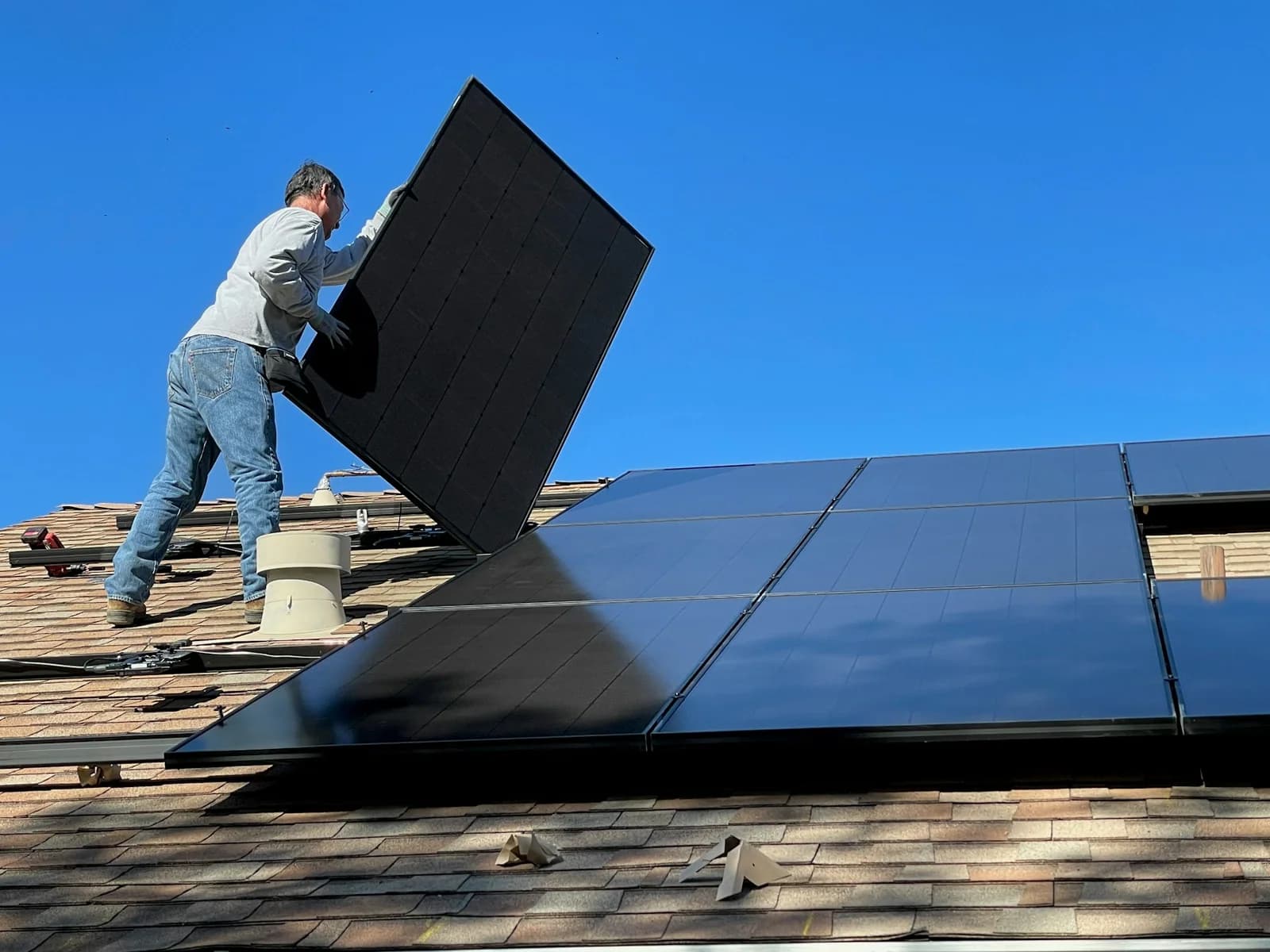
A solar proposal is easier to understand when its assumptions are visible. At Daylight we ask for the property and usage information first, before any headline figure.
We show the assumptions behind the proposal.
We explain how roof condition, shading, usage and electrical arrangements shape the design. Estimates, interconnection, any storage option and the contract or financing terms are laid out with savings assumptions kept separate from guarantees.
- Which site and usage assumptions support the estimate?
- Who coordinates roof review and interconnection requirements?
- Which ownership, financing and warranty terms should I compare?
Put this perspective into practice.
Each guide below covers what the service involves and the questions worth bringing to your site assessment.
Rooftop solar
Rooftop arrays designed from your usage and a shading study, with a production estimate, permits and interconnection handled.
- What should the site assessment and written scope establish for rooftop solar?
- How do roof condition, shading, usage and utility interconnection affect the proposed design?
- Which production assumptions, tariff terms, incentives, financing costs and battery limitations need independent verification?
Battery storage
Home batteries sized to the loads you want to keep running, integrated with solar or installed on their own.
- What should the site assessment and written scope establish for battery storage?
- How do roof condition, shading, usage and utility interconnection affect the proposed design?
- Which production assumptions, tariff terms, incentives, financing costs and battery limitations need independent verification?
EV charging integration
Level 2 EV chargers installed and set to charge from your solar when the sun is out, with the panel capacity checked first.
- What should the site assessment and written scope establish for EV charging integration?
- How do roof condition, shading, usage and utility interconnection affect the proposed design?
- Which production assumptions, tariff terms, incentives, financing costs and battery limitations need independent verification?
Manufacturer and product names belong to their owners and link to official information. No affiliation or authorized-provider status is implied.