How it works.
What to expect, start to finish.
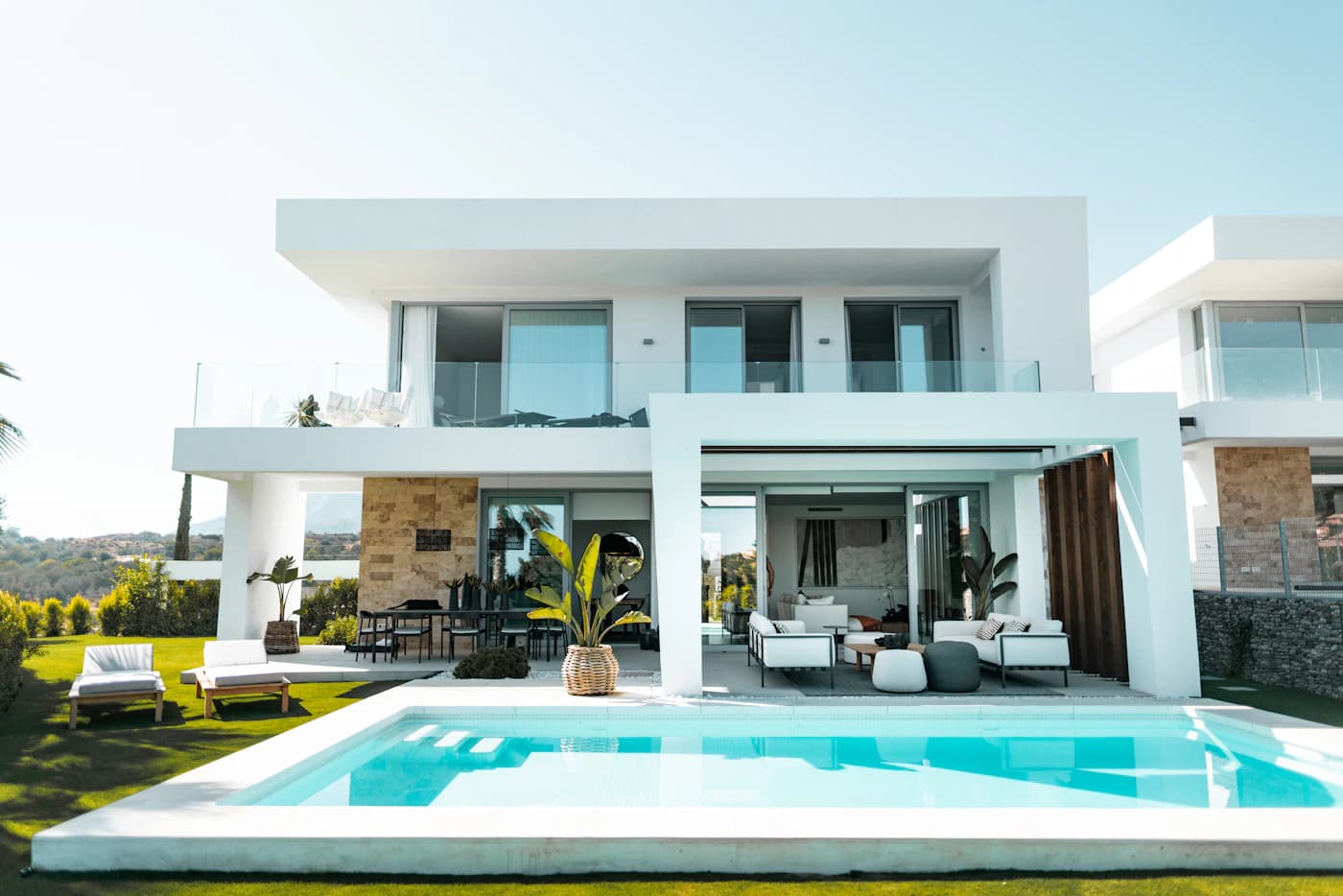
A plunge pool fits where a conventional pool cannot, and a lap pool turns a narrow side yard into a daily ritual. We size depth, heating and swim jets around how you will use it, and keep the detailing restrained so the pool reads as part of the garden. A site assessment considers access, utilities, drainage, setbacks, local requirements and your priorities. We confirm engineering, permits, scope and a written quote before you sign.
- Small yards
- Daily swimmers
- Year-round use

Your project, step by step
- Before
A site assessment to measure the available footprint, setbacks and access.
- During
A 3D concept with heating and jet options, then a compact build by our crews.
- After
Start-up, a heating schedule set for your routine and a 30-day check.
Know the names.
The makers, products and standards we reference when we talk about lap & plunge pools.
Latham
Factory-made fiberglass shells, including compact plunge models, with Coverstar automatic covers that open and close at the turn of a key.
Official informationManufacturer and product names belong to their owners and link to official information. No affiliation or authorized-provider status is implied.
Good to know.
How small can a pool be?
Plunge pools start around 8 by 14 feet; lap pools are usually 8 feet wide and 30 to 40 feet long.
Can it be heated for winter use?
Yes. A heat pump and a cover make a plunge pool usable year-round.
Questions worth bringing.
- How will usable swimming length, depth and entry needs guide the layout?
- What setbacks, circulation space and equipment access must fit around a compact pool?
- How will heating, covers, operating needs and the surrounding terrace be specified?
Before you book.
Every project starts on site. You receive a written scope, a schedule and a price range before design begins, and nothing moves to contract until you approve it. Final scope and pricing are confirmed after your site assessment.